Blog
Running a manufacturing operation in the UK today means navigating a complex web of regulations, standards and expectations. From the Health and Safety Executive knocking on your door to major OEMs demanding audit-ready documentation, the pressures on operations managers, compliance officers and business owners have never been greater.
Yet compliance should not be viewed merely as a burden. When approached strategically, meeting regulatory requirements can drive operational efficiency, reduce waste, attract skilled workers and open doors to lucrative public sector contracts. The challenge lies in understanding which areas demand immediate attention and how different compliance domains interconnect.
This resource brings together the essential compliance topics facing UK manufacturers: from environmental obligations and workplace safety to quality management systems and sustainable design. Whether you are addressing an urgent gap or building a comprehensive compliance strategy, the insights below provide a foundation for informed decision-making.
Sustainable Manufacturing and Green Claims Compliance
Environmental claims have become a minefield for manufacturers. The Competition and Markets Authority actively investigates businesses making misleading eco-claims, and penalties can reach up to 10% of global turnover. Understanding what constitutes a legally defensible environmental statement is no longer optional—it is essential business risk management.
The Carbon Footprint Calculation Challenge
Calculating a product’s carbon footprint from cradle to gate involves mapping every input: raw materials, energy consumption, transportation and manufacturing processes. Many manufacturers discover that their supply chain accounts for the majority of emissions, making supplier traceability a critical concern. Without robust data from upstream partners, any carbon claim becomes legally vulnerable.
Material Selection and True Environmental Cost
Comparing materials like recycled ocean plastic against virgin bioplastics requires looking beyond simple carbon metrics. Factors including water usage, end-of-life scenarios, microplastic shedding and actual recyclability all contribute to the true environmental cost. Surface-level comparisons often mislead both manufacturers and consumers.
Designing for Disassembly and Repair
Right to Repair legislation is reshaping product design requirements. Products must increasingly be designed for easy disassembly, with replaceable components and accessible repair documentation. Manufacturers who embed these principles early avoid costly redesigns when regulations tighten further.
Why Does Workspace Design Impact Recruitment and Retention?
The manufacturing sector faces a well-documented recruitment crisis, particularly among younger workers. Research consistently shows that workplace environment significantly influences job acceptance and retention decisions. Facilities with poor lighting, excessive noise and inadequate break areas report turnover rates substantially higher than those investing in worker-centric design.
Acoustic Management and Cognitive Performance
Sustained noise exposure above 70 decibels elevates cortisol levels, reducing cognitive precision and increasing error rates. For engineering teams requiring focus and accuracy, acoustic management through cellular offices, sound-absorbing materials and zoning becomes a productivity investment rather than a luxury expense.
Natural Light and Fatigue Reduction
Bringing natural light into windowless factory floors presents technical challenges around glare and heat gain, yet the benefits for alertness and wellbeing are substantial. Solutions including light tubes, clerestory windows and carefully positioned skylights can transform working environments without compromising operational requirements.
Recharge Zones That Actually Work
Effective rest areas go beyond installing a kettle and some chairs. Properly designed recharge zones consider acoustic separation, biophilic elements, appropriate lighting and genuine separation from work activities. When designed thoughtfully, these spaces measurably reduce operator fatigue and improve afternoon productivity.
Biodiversity Net Gain Requirements for Industrial Sites
Planning regulations now require most developments to deliver a minimum 10% biodiversity net gain. Industrial sites, often characterised by hardstanding and minimal vegetation, face particular challenges in meeting these requirements. Local authorities are increasingly rejecting expansion applications on biodiversity grounds alone.
Onsite Mitigation Strategies
Options for generating biodiversity credits onsite include wildflower roofs, native hedgerow planting, sustainable drainage features and habitat creation on marginal land. Wildflower roofs on industrial units can provide measurable habitat value whilst also reducing surface water runoff and improving building insulation.
Offsite Credits and Long-Term Obligations
When onsite mitigation proves insufficient or impractical, offsite biodiversity credits offer an alternative. However, these arrangements typically require 30-year management commitments, and specific maintenance clauses can invalidate credits if obligations are not met. Understanding the full contractual implications before purchase prevents costly surprises.
Community Engagement Through Green Infrastructure
Nature trails, community orchards and accessible green spaces on site perimeters can simultaneously generate biodiversity credits and improve community relations. For manufacturers facing planning objections or seeking to strengthen local support, these initiatives offer tangible benefits beyond compliance.
Health and Safety Compliance Beyond Basic Audits
Research suggests that a significant majority of UK manufacturing safety audits fail to meet HSE inspection standards. The gap between internal audit findings and regulatory expectations creates substantial legal exposure, particularly where serious incidents occur.
Digital Documentation and Legal Protection
Paper-based risk assessments offer limited protection in court proceedings. Digital systems with timestamped entries, photographic evidence and automated review reminders create defensible audit trails. More importantly, they encourage genuine engagement with hazard identification rather than box-ticking exercises.
Near-Miss Reporting Systems That Work
Effective near-miss reporting requires more than installing an app. Workers must trust that reports will be acted upon without blame, that the process is genuinely simple, and that they will see visible improvements resulting from their input. Systems achieving high reporting rates share common characteristics:
- Anonymous reporting options for sensitive issues
- Feedback loops showing actions taken
- Recognition for quality reports
- Genuine management engagement with findings
Understanding the Gross Negligence Threshold
When safety failures cross from civil liability into criminal prosecution territory, the consequences escalate dramatically. Understanding where the gross negligence threshold lies—and ensuring management actions remain clearly below it—requires ongoing legal awareness and documented due diligence.
PPE Procurement and Supply Chain Resilience
Production line stoppages due to PPE shortages cost far more than the equipment itself. Strategic procurement balances cost control against operational continuity, requiring careful analysis of safe stock levels, supplier reliability and total cost of ownership.
Calculating Safe Stock for Critical Equipment
Respiratory protective equipment and other critical PPE requires buffer stock calculations accounting for supplier lead times, demand variability and acceptable stockout risk. For items where absence halts production, traditional minimum order quantities may prove dangerously inadequate.
Identifying Counterfeit Safety Equipment
CE mark fraud affects safety glasses, hearing protection and other common PPE items. Spotting counterfeit equipment requires examining packaging quality, verifying manufacturer details, checking lot numbers against supplier records and occasionally submitting samples for laboratory testing. The consequences of fraudulent PPE failing during use extend far beyond equipment costs.
Total Cost of Ownership Analysis
Comparing disposable against reusable PPE requires accounting for laundering costs, inspection time, replacement frequency, storage requirements and disposal expenses. Initial purchase price rarely reflects actual operational costs over a typical annual cycle.
Industrial Pollution Control and Environmental Compliance
Environment Agency enforcement has intensified recently, with fines for discharge limit exceedances representing only part of the potential cost. Permit revocation, mandatory remediation and reputational damage often prove more significant than headline fine amounts.
Emissions Control Technology Selection
Choosing between biofilters, thermal oxidisers and other VOC removal technologies requires balancing capital costs, operating expenses, maintenance requirements and removal efficiency. Biofilters offer lower operating costs but demand larger footprints and careful moisture management. Thermal oxidisers achieve higher removal rates but consume significant energy.
Continuous Emissions Monitoring Requirements
Continuous emissions monitoring systems provide real-time compliance verification but require significant investment in equipment, calibration and data management. Understanding when CEMS becomes mandatory—and when voluntary installation provides operational benefits—helps prioritise capital allocation.
Bunding and Groundwater Protection
Inadequate bunding around chemical storage areas creates groundwater contamination liability that can persist for decades. Remediation costs frequently exceed seven figures, making proper containment design and regular integrity testing essential risk management measures.
Continuous Improvement Without Major Capital Investment
Kaizen principles enable meaningful productivity improvements without significant capital expenditure. The challenge lies in embedding continuous improvement culture rather than running isolated improvement events that fade within months.
Overcoming Staff Resistance to Change
Resistance to new standards typically reflects past experiences of poorly implemented changes rather than inherent opposition. Building genuine engagement requires demonstrating quick wins, involving workers in solution development and ensuring management visibly commits to sustaining improvements.
Standard Operating Procedures That Get Used
SOPs gathering dust in folders provide no operational value. Effective procedures use visual formats, remain accessible at point of use, involve operators in their development and undergo regular review based on actual practice. The goal is working documents rather than compliance artefacts.
Gemba Walks and Shop Floor Reality
Regular management presence on the shop floor—observing actual conditions rather than reported conditions—reveals improvement opportunities invisible from the office. Effective Gemba walks follow structured observation protocols whilst remaining open to unexpected discoveries.
Quality Management and ISO 9001 Certification
Moving from defect detection to defect prevention transforms quality costs. Rework, warranty claims and customer dissatisfaction typically cost ten times more than prevention investments. Quality assurance systems that identify potential failures before production begins deliver substantial returns.
Certification Requirements for Public Sector Contracts
Government procurement increasingly requires ISO 9001 certification from accredited bodies. Claims of being ISO 9001 aligned without formal certification typically fail to meet tender requirements. UKAS accreditation carries particular weight in UK public sector procurement.
Surviving Client Audits
Major OEM audits examine not just documentation but physical evidence of system implementation. Auditors frequently check waste bins for non-conforming product, review noticeboard currency and test whether randomly selected operators understand procedures. Preparation must address these practical dimensions alongside documentation requirements.
Manufacturing compliance encompasses an interconnected web of environmental, safety, quality and operational requirements. Success comes from understanding how these domains relate to each other and building systems that address multiple obligations efficiently. The articles throughout this blog explore each topic in greater depth, providing practical guidance for specific compliance challenges.
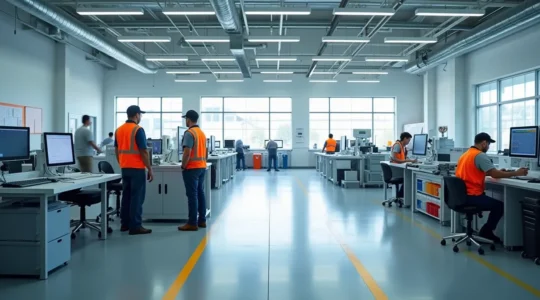
Client Audit Preparation: How to Survive a Surprise Inspection from a Major OEM
The key to surviving an OEM audit is not just compliance, but controlling the narrative by understanding the auditor’s mindset. Auditors use visual cues like bins and noticeboards to make instant judgments about your company culture and discipline. Your ability…
Read more
How to Leverage ISO 9001 Certification to Win Public Sector Manufacturing Contracts
Winning public sector tenders isn’t about having an ISO 9001 certificate; it’s about proving your Quality Management System (QMS) actively de-risks the client’s project. Simply being “ISO 9001 aligned” is often an automatic disqualification; government procurement requires fully accredited certification….
Read more
Quality Assurance vs Control: Moving from ‘Detecting Defects’ to ‘Preventing Them’
The endless cycle of inspection and rework is not a cost of doing business; it’s a symptom of a flawed system. The real shift happens when quality moves from a cost center to a strategic profit engine. The Cost of…
Read more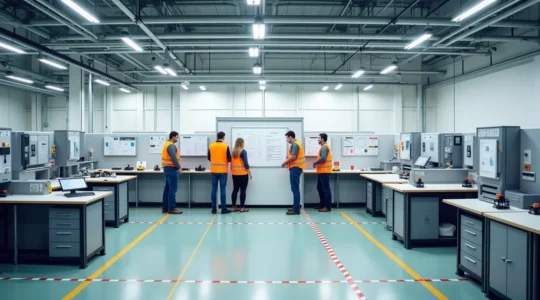
Kaizen in UK Manufacturing: How to Improve Output Standards Without High CAPEX?
Improving manufacturing output doesn’t require high CAPEX; it requires a systematic focus on eliminating the hidden operational friction your team faces daily. True Kaizen starts by addressing staff fears and frustrations, not by imposing new tools from the top down….
Read more
Industrial Pollution Control: A Director’s Guide to Mitigating Risk and Avoiding Environment Agency Fines
Contrary to common belief, the greatest financial threat from an environmental breach is not the Environment Agency fine itself, but the cascade of hidden costs that follow. Reputational damage and loss of stakeholder trust often have a far greater long-term…
Read more
PPE Procurement Strategy: Avoiding the Supply Chain Bottlenecks That Halt Production
The greatest risk in PPE procurement isn’t overpaying; it’s the catastrophic cost of a single stockout. Treating PPE as a low-cost commodity creates hidden vulnerabilities that lead to thousands in operational losses from a single line stoppage. A resilient strategy…
Read more
Beyond the Clipboard: Why Most UK Manufacturing Safety Audits Are Doomed to Fail
Your paper-based safety system is a liability, not an asset, and it won’t stand up to scrutiny during a real HSE inspection. Inspectors are trained to find the disconnect between your documented procedures and the reality on your shop floor….
Read more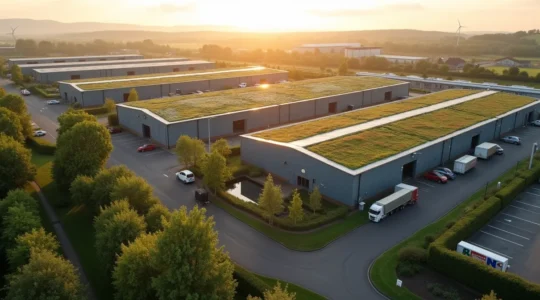
Biodiversity Net Gain 2024: A Developer’s Guide to UK Planning Rules
Biodiversity Net Gain is not a simple 10% uplift; it’s a 30-year legal and financial commitment where maintenance failures can invalidate your entire project’s planning permission. Local councils are increasingly delaying or rejecting projects with weak BNG strategies, seeing them…
Read more
The Recruitment Crisis: Can Better Workspace Design Attract Gen Z Engineers?
Winning the war for Gen Z engineering talent isn’t about matching tech-company perks; it’s about engineering a workspace that actively enhances their cognitive performance and physiological well-being. Chronic industrial noise and poor lighting directly increase stress hormones, hindering the precision…
Read more
Compliance with the UK Green Claims Code: Is Your ‘Eco-Design’ Truly Legal?
Vague ‘eco-friendly’ claims are no longer a PR risk; they’re a direct threat to your global turnover under the UK’s new Green Claims Code enforcement powers. Failure to provide a robust evidentiary chain for environmental claims can result in fines…
Read more