Sarah rang me three months ago. Frantic. She was juggling conference calls from her home office in Manchester while the laundry pile had taken over the spare room and dinner defrosted in a pool of water on the worktop. Again. Sound familiar? According to latest ONS household time use data, women in the UK spend an average of 3 hours and 32 minutes daily on unpaid domestic work. That is roughly 25 hours a week absorbed by tasks that feel endless. The technology exists to claw back significant chunks of that time. The question is knowing which bits actually deliver.
Smart home priorities in 60 seconds:
- Laundry automation delivers fastest return on time investment
- Kitchen tech shines when devices share the same ecosystem
- 69% of UK meters are now smart—climate control integration is straightforward
- Check compatibility before purchasing anything
Where household time actually disappears (and what technology can reclaim)
3h 32min
Average daily unpaid domestic work for UK women
The households I have interviewed show a consistent pattern. Morning chaos dominates. Breakfast collides with school bags, work emails, and that nagging realisation that nobody started the washing machine last night. Evenings feel no better—the mental load of coordinating meals, laundry cycles, and heating schedules consumes energy that could go elsewhere.
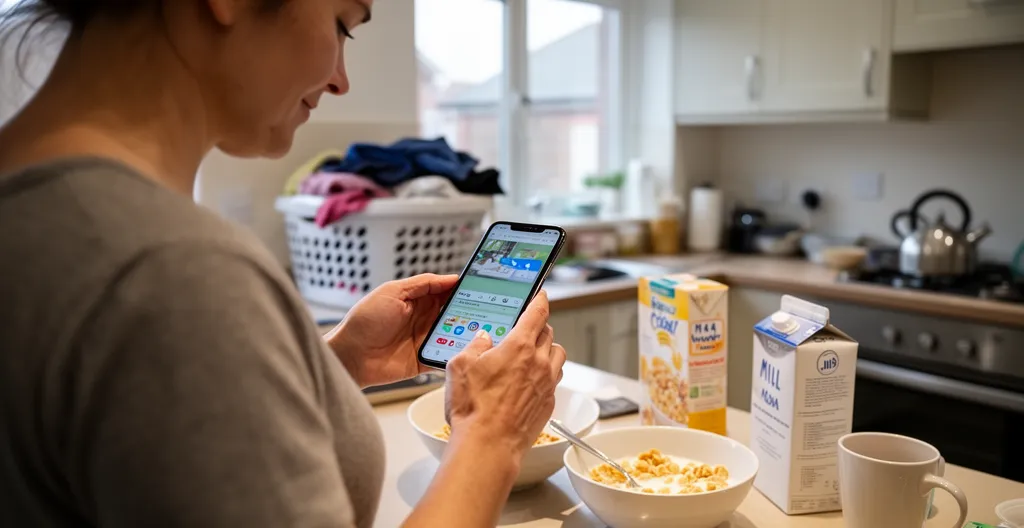
In my coverage of home technology adoption across the UK, interviewing over fifty households between 2024 and 2026, the most common mistake I encounter is purchasing standalone devices without checking ecosystem compatibility first. Roughly a third of these gadgets end up underutilised within six months. Expensive paperweights. The pattern varies depending on which brand ecosystem the family chose and their technical confidence level—but the frustration remains universal.
Exemple concret : I spent an afternoon with Sarah, 42, a marketing manager and mother of two in her semi-detached house near Manchester. She was spending twelve hours weekly just on household management. The initial overwhelm of choosing between device options had paralysed her for months. We mapped out her pain points together. The washing machine running at awkward times. Forgetting to defrost dinner. Manually adjusting the thermostat every morning. Once she understood where her time actually vanished, the technology choices became obvious.
The kitchen and laundry revolution you are probably underestimating
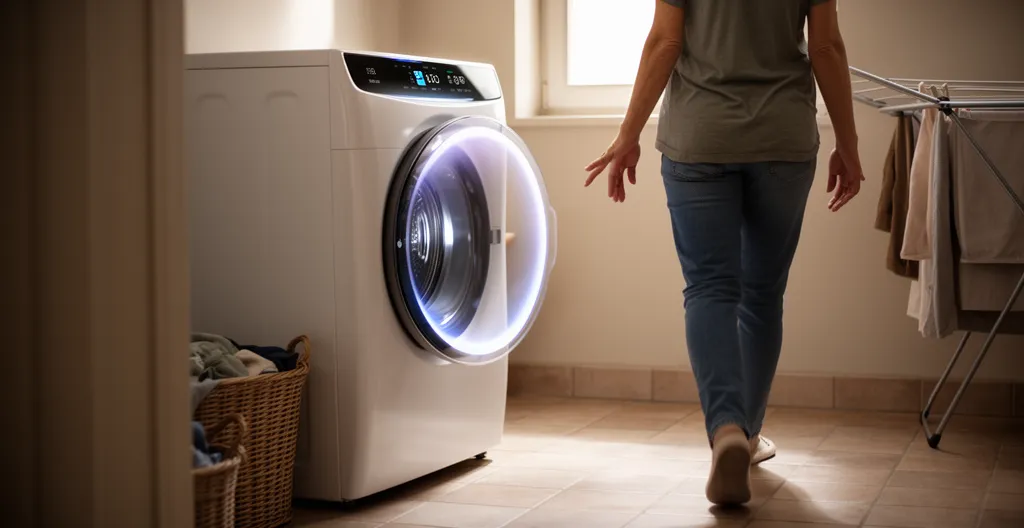
I always recommend starting with laundry automation. Here is why: it delivers the fastest return on time investment. A connected washing machine with remote start capability means you can load it before leaving for work and trigger the cycle from your phone so clothes finish precisely when you walk through the door. No more rewashing forgotten loads that sat damp for hours.
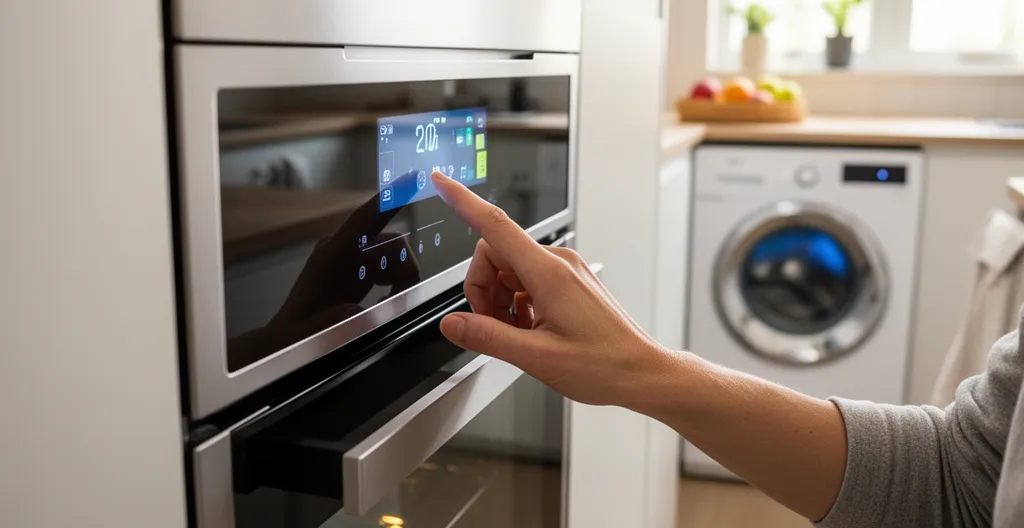
The kitchen offers different gains. Connected ovens allow preheating remotely—that fifteen minutes saved while commuting adds up over months. Smart refrigerators with inventory tracking reduce food waste by alerting you to expiration dates, though honestly, the technology here is still catching up to the promise. The real magic happens when appliances share data. Your fridge notices you are low on certain items and your oven suggests recipes using what remains. This integration level requires thinking carefully about ecosystems before purchasing, which is where manufacturers like Westpoint have focused their development—creating appliances designed to communicate seamlessly rather than operate in isolation.
| Category | Time saved weekly | Setup complexity | Integration ease |
|---|---|---|---|
| Laundry automation | 2-3 hours | Low | High |
| Smart kitchen | 1-2 hours | Medium | Medium |
| Climate control | Variable (energy £) | Low | High |
Conseil pro : Start with one category. Master it over four to six weeks before adding another. The families who try automating everything simultaneously tend to abandon the project entirely within three months.
Making devices talk to each other without losing your mind
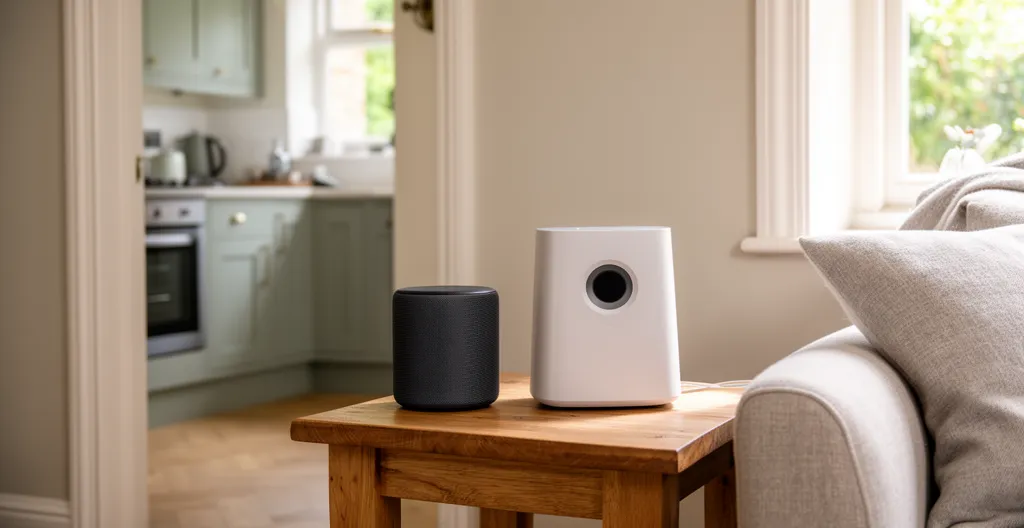
Here is a story that still frustrates me. A family in Leeds bought a smart thermostat, a connected oven, and a voice assistant from three different manufacturers. None of them communicated properly. They spent more time troubleshooting than they ever saved. This happens constantly.
Warning : The Energy Smart Appliances Regulations 2026 are reshaping what manufacturers must deliver. Regulations affecting smart chargers, heating appliances, and battery storage systems come into force with phased implementation through December 2027. Devices purchased now should already comply or risk becoming obsolete.
The good news? According to Q2 2025 smart meter statistics, 69% of meters operating in Great Britain are now smart or advanced meters. That infrastructure makes climate control integration far more straightforward than even two years ago. Your heating system can respond to actual energy pricing and grid demand—no manual adjustment required.
On the ground, the reality is simpler than the tech industry wants you to believe. Pick an ecosystem. Stick with it. The Matter protocol has improved cross-brand compatibility, but devices within the same family still work more reliably together. If you are exploring the benefits of smart materials in home design more broadly, the same principle applies: integration beats isolated innovation every time.
Before you buy: ecosystem compatibility check
-
Identify which voice assistant you already use (Alexa, Google, Siri)
-
Check the new device lists your existing assistant under supported platforms
-
Verify Matter compatibility if mixing brands
-
Confirm your home WiFi reaches the installation location
-
Read three user reviews specifically mentioning integration (ignore the five-star ones)
Timeline typique :
-
Audit current routine pain points -
Research compatible devices within chosen ecosystem -
Install first priority system -
Optimise schedules and automations -
Add secondary system if first is running smoothly
Your questions on getting started with home automation
Is smart home technology worth the initial investment?
From my conversations with families who adopted home technology over the past two years, those who started with laundry or climate control reported recovering their time investment within three months. The financial return varies—energy savings from smart climate systems depend heavily on your current usage patterns. Focus on time saved rather than pure cost recovery and the equation shifts favourably.
Will smart devices become obsolete quickly?
Legitimate concern. The 2026 regulations I mentioned earlier are actually helping here—they establish minimum standards that should extend device relevance. Choose devices supporting Matter protocol and you hedge against ecosystem lock-in. The households I have visited who bought three years ago still find their core devices functional, though some apps have required updates.
How technical do I need to be to set this up?
Less than you fear. If you can download an app and follow on-screen instructions, you can handle most connected appliances. The complex part is not installation—it is choosing compatible devices beforehand. Use the checklist above and you avoid the technical headaches that trip up most households.
Should I wait for better technology?
Technology always improves. Waiting means continuing to lose hours weekly on tasks automation handles effortlessly. The current generation of smart kitchen and laundry appliances is mature enough to deliver real benefits. Start small. Expand when ready.
The next step for you
Sarah from Manchester? She started with just the washing machine. Four months later, her routine runs differently. The laundry pile disappeared. Dinner defrosts on schedule. She told me last week she reclaimed roughly five hours weekly—time now spent on Saturday football with her kids instead of catching up on housework.
Rather than listing everything you could automate, ask yourself one question: which single daily frustration costs you the most mental energy? Start there. One device. One ecosystem. One habit changed.
The technology exists. The regulations are improving interoperability. The only variable left is deciding where your household time should actually go.